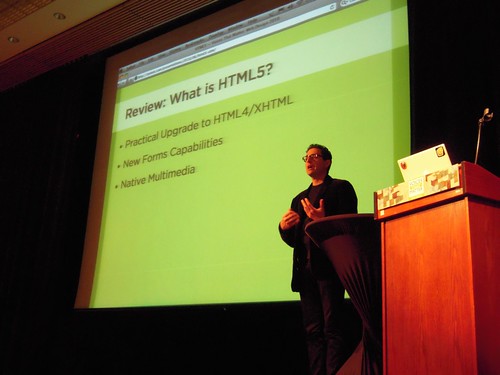
The fortunes of any given website are determined largely by its unique design. When you create a site that is user-friendly and appealing it will help to ensure that visitors spend time on your site, return in the future, and refer friends. In the worst case, creating a site with horrible design will mean that your visitors just click “back” without even reading anything on the homepage. Using the tips from this article will help you create the best design for your website.
Use fixed-position navigation. The panel maintains position while they view the page. This is ideal for both visitors and marketers alike, as desired actions are executed much more quickly.
Successful websites work well with any browser, so you’ll need to do some testing of your paging using various browsers. A site that works on Internet Explorer might not display right in Firefox, Google Chrome, or Safari. Verify the way in which your pages load in all major browsers prior to your official launch.
Know what your subject is. Research your subject before posting anything. Being unclear with customers or giving false information will drive readers away. Knowing your subject thoroughly will make your blog good.
Whatever your design is like aesthetically, be sure all your files are small. Keeping your files small will directly affect how fast your website loads. A website that loads more quickly is always a top priority in website development. You must keep in mind that not all visitors will have a fast Internet connection. Continue to test your site to make sure it will load quickly, even with a dial-up connection.
White is the most common background color online for a reason. White backgrounds give your site a professional look, as well as make the content easy to read. Complicated background designs, however, can be distracting, or make your site appear amateur. Simple instead of complex is always better where backgrounds are concerned.
As you are designing your website, keep in mind that you are not required to utilize all of the space available. Using every pixel available to you can make the website feel overwhelming or cluttered. When you space things out in an appropriate way and have a sense of organization, this will make users feel like they are in control. Is a few cases, empty space could be as important as content.
Get your domain name registered when you have a site idea. Claiming it now ensures that you have the exact domain name you want down the road. You’d be shocked at how many people share the same thoughts. You cannot count on being unique all the time.
You may notice interesting website design techniques being used by other web designers, but you want to innovate, not copy. Come up with interesting new design elements and website features. Don’t be afraid to also improve on features that are considered best practices, however. By doing this, you are taking advantage of a wide range of web page design options.
Throughout the design process, you should perform useability tests periodically. Each time you change your website or add something, have a friend visit your site and try it out. What may look fine to you, may be of major concern to someone else. Make certain you are constant in your search for second opinions.
Try being an artist if you do web page design. In other words, let inspiration “grab” you. If you’re eating out and an idea comes to you, be sure to jot that idea on your napkin. If something occurs while you’re working, leave yourself a text message on your cellphone so you will remember it later on.
An attractive and easy to use web page design can be the deciding factor in whether or not your website is successful. A site that is well-designed encourages visitors to stay, come back and share, resulting in a big boost in traffic. However, websites that are unattractive and poorly designed can discourage potential customers from returning in the future. Apply the tips you read and you will be on your way to success.